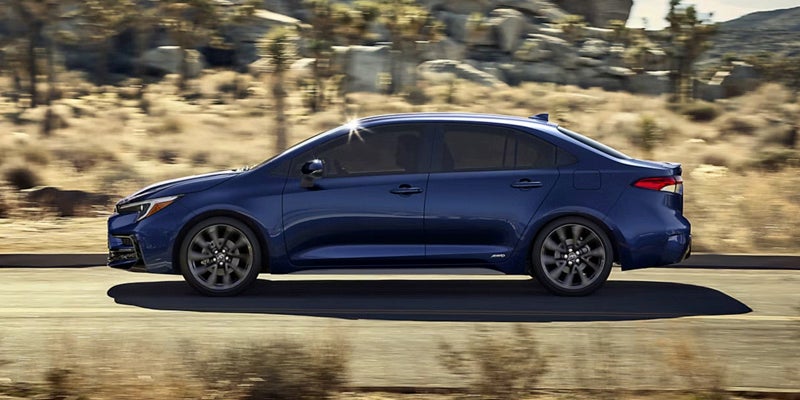

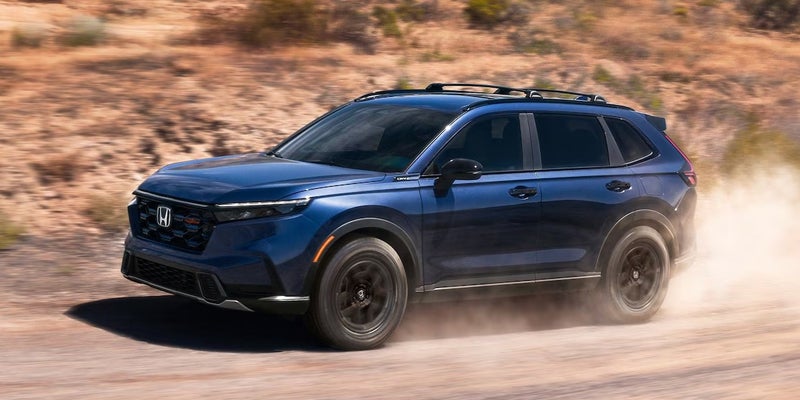
Sedan vs SUV: Which Honda Is Right for You? When you’re looking for a new vehicle, one of the decisions you’re going to have to weigh is sedan vs SUV. Both body styles have a lot to offer, but it really comes down to how you plan to use your vehicle day to day. So, if you're driving around Columbus, OH, or planning weekend road trips, Honda has strong options in both categories. What a Sedan Brings to the Table Sedans, which generally are 4-door vehicles, are known for being efficient, comfortable, and easy to maneuver in traffic or tight parking situations. The 2026 Honda Accord is a popular example, offering a stylish interior, a smooth ride, as well as a hybrid option for drivers who want to spend less on gas. If you want something a bit smaller, the 2026 Honda Civic Sedan brings a fun, sporty feel to everyday driving. If you want even more performance, the Civic Si Sedan and Civic Type R take things up a notch without sacrificing daily usability. Sedans tend to be lighter and more aerodynamic than SUVs, which can translate into a more engaging driving experience and slightly better long-term efficiency over time. What an SUV Brings to the Table SUVs offer more passenger space, cargo room, and ground clearance - making them a good option for families, outdoor lovers, and anyone who needs flexibility and space. When comparing SUV vs sedan options in Honda's lineup, models like the 2026 CR-V and 2026 Pilot make a strong case for going bigger. The 2026 CR-V is available in both standard and hybrid configurations, including the rugged TrailSport trim. It's a great middle-ground option that doesn't feel oversized for daily driving. The 2026 Honda Pilot steps things up with three-row seating and serious adventure capability. If you want to go fully electric, the 2026 Honda Prologue brings a quiet, smooth driving experience with an SUV-sized footprint and a hefty 308-mile driving range on a full charge. Key Factors to Help You Decide Think about your daily routine before deciding. If most of your driving is solo commuting or city errands, a sedan like the Accord or Civic could be all you need. If you're regularly hauling cargo, carrying a full family, or heading off the beaten path, an SUV is likely the better choice. Budget is another consideration. Sedans generally start at a lower price point, but Honda's SUV lineup - especially models like the CR-V - remains competitively priced for what you get. When weighing the full sedan vs SUV comparison, it's also worth factoring in things like available towing capability, seating capacity, and available all-wheel drive. Honda offers both body styles with hybrid powertrains, so efficiency doesn't have to be a dealbreaker in either direction. Find Your Honda at Performance Columbus No matter which side of the SUV vs sedan debate you fall on, Performance Columbus is here to help you explore your options. From the sporty Civic Sedan to the versatile CR-V and family-friendly Pilot, there's a Honda built for your lifestyle. Visit Performance Columbus to browse current inventory and find the right match for drivers throughout Columbus, OH.

How Often Should You Rotate Your Tires?
How Often Should You Rotate Your Tires: A Complete Guide Tire rotation is one of those routine maintenance tasks that's easy to overlook - but skipping it can cost you. If you've been wondering how often to rotate tires, you're not alone. It's one of the most common questions drivers ask, and getting the answer right can make a difference in how long your tires last and how your vehicle handles in Columbus, Ohio. Why Tire Rotation is Important Understanding how often to rotate your tires starts with knowing why rotation is necessary in the first place. Tires wear unevenly depending on their position on your vehicle. Front tires typically handle steering and carry more of the braking load, which causes them to wear faster than rear tires. By rotating them regularly, you help distribute that wear more evenly across all four tires, extending their overall lifespan and keeping your ride smoother and safer. Uneven tire wear can also affect your vehicle's handling, fuel efficiency, and traction - especially in wet or slippery conditions. Rotation is a simple, affordable way to protect your tires and avoid premature replacements. General Recommendation for Tire Rotation Most vehicle manufacturers and tire experts recommend rotating your tires every 5,000 to 7,500 miles. A common and easy-to-remember rule of thumb is to rotate them every time you get an oil change, since many oil change intervals fall within that same mileage range. Your specific vehicle, tire type, and driving habits can all influence your tire rotation schedule. All-wheel-drive vehicles, for example, may require more frequent rotation because power is distributed to all four wheels simultaneously, causing wear patterns to differ from front- or rear-wheel-drive setups. Always check your owner's manual for the manufacturer's specific recommendation. Signs You May Be Overdue for a Rotation Even if you're keeping up with mileage intervals, there are a few signs that can tell you a rotation is overdue. If you notice your vehicle pulling to one side while driving, that can be a sign of uneven tire wear. Vibrations felt through the steering wheel at highway speeds are another common indicator. You might also visually notice that your front tires look more worn down than your rear tires, or vice versa. Knowing how often to rotate tires is important, but paying attention to these warning signs between scheduled maintenance visits is just as valuable. Catching uneven wear early can prevent the need for a full set of new tires sooner than expected. What Happens If You Skip Rotations Consistently skipping tire rotations leads to accelerated and uneven wear across your tires. In the worst cases, you may find that one or two tires wear significantly faster than the others, meaning you can't replace all four at once - which can create handling imbalances. Over time, neglected tires can also affect your vehicle's suspension components and alignment, leading to more expensive repairs down the road. Keep Your Tires in Top Shape at Performance Columbus Staying on top of tire rotation is one of the easiest ways to get the most out of your tires and keep your vehicle running the way it should. If you're due for a rotation or just want to check in on your tire health, the service team at Performance Columbus is here to help. Drivers throughout Columbus, OH, trust us to keep their vehicles maintained and road-ready. Stop by or schedule your service appointment online at Performance Columbus today.